
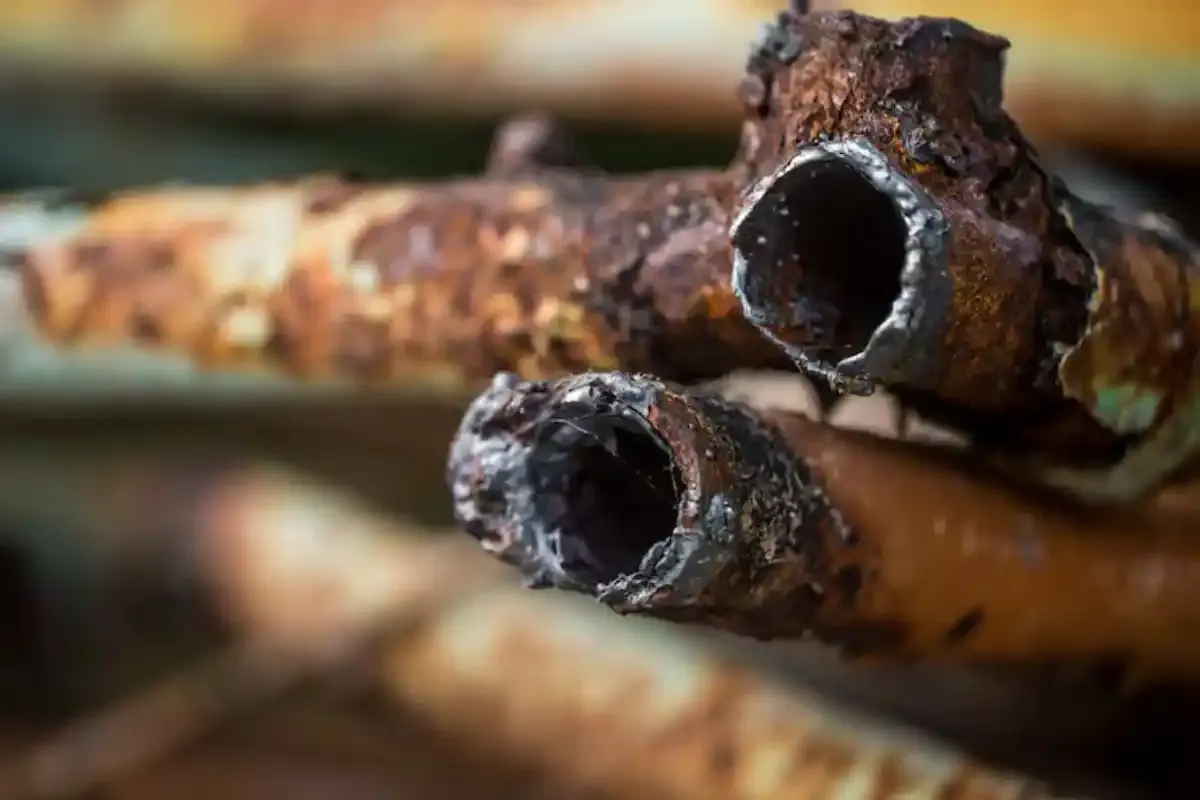
A pipe is spraying or leaking: do this first
Water damage grows by the minute. A split in a half-inch supply line can release a large volume of water in an hour, and it soaks insulation, drywall and flooring before you see the stain.
Move in this order and keep your hands away from electrical equipment.
Do these now:
- Close the main shutoff valve, usually where the water line enters the basement or utility area.
- Open the lowest faucet in the house to drain the lines and relieve pressure.
- Turn off power to a wet area only if you can reach the panel while dry. Otherwise stay out and call 911 for the electrical hazard.
- Move furniture, rugs and valuables out of the water's path.
- Call the 24/7 line and tell dispatch where the water is coming from.
If the pipe is frozen but not broken
A frozen pipe has no water coming out of a faucet. It may bulge or frost over. You have time, but not unlimited time.
- Open the faucet. Leave the tap on so water has somewhere to go as ice melts and pressure releases.
- Find the frozen section. Frozen pipes sit in exterior walls, unheated basements, crawlspaces and under sinks along outside walls. Check for frost or a cold spot.
- Apply gentle heat. Use a hair dryer, a heating pad or warm towels. Start at the faucet end and work toward the blockage.
- Stay with it. Do not leave heat unattended. Keep the main valve ready, because a cracked pipe leaks as soon as it thaws.
- Check for leaks. After flow returns, look at the pipe and fittings for drips, bulges or wet insulation.
Never use a torch, propane heater or open flame. It can ignite framing and damage joints.
Frozen versus burst: quick comparison
The two problems look similar at first. This table separates them.
| Sign | Frozen only | Burst or cracked |
|---|---|---|
| Faucet | Little or no water | Water, spraying, or a hiss behind a wall |
| Pipe condition | Frost or a cold section | Visible split, bulge or active drip |
| Immediate action | Open tap, thaw gently | Shut off the main, call. See burst pipe repair |
| Risk | Splits when thawed | Flooding, ceiling damage, mold |
| Plumber needed? | If it will not thaw or leaks after | Yes, same day |
Why pipes freeze and burst
Water expands when it turns to ice. The ice plug itself does not usually break the pipe. The pressure trapped between the plug and a closed faucet does, and it often splits the pipe at a weak spot below the freeze, not at the freeze itself.
Pipes in an unheated garage, outside wall or exposed basement run are the most at risk. Copper, PEX and older steel all can split, though flexible PEX tolerates a freeze better than rigid copper.
The 24/7 line is open. Tell dispatch you have a burst or frozen pipe and where the shutoff is.
What a plumber does when you call
The plumber confirms the main is off, locates the split and checks the surrounding pipe for more damage. A short section is cut out and replaced. If the break is inside a wall, the plumber opens the smallest access area possible.
If the problem is the pipe running to the house from the street, that is a different job. A burst or frozen water service line repair often means excavation, and 811 must be called before digging.
The plumber also looks for reasons the pipe froze, such as a missing insulation sleeve or an open crawlspace vent, so the fix lasts.
Milford, MA: which water system and who to call
Milford Water Company supplies the town and sells wholesale water to sections of Hopedale, Mendon and Medway. If a leak is on the street side of your meter, the company can tell you who is responsible. Leaks inside the house are a plumber's job.
In Mendon, most homes use private wells. A frozen pipe there can also mean a pump or pressure tank problem, and the main shutoff may be at the well pressure tank, not at a street connection. If you are on a private well, find that shutoff before winter.
After the leak is stopped, take photos of damage and the pipe for your insurance claim.
A permit is required before a plumber replaces burst supply piping under the Massachusetts plumbing code (248 CMR), and the guideline is to ask to see it.
What changes the price of a burst pipe repair
You get a clear price before repair work starts. These factors drive it.
Sudden burst pipe damage is often covered by homeowner insurance, but the policy may exclude gradual leaks or neglect. Read the claim terms and keep your receipts.
Need a number? Call (508) 389-4045 and tell dispatch where the pipe is.
Keeping pipes from freezing next time
Most freeze-ups are preventable with a few steps before cold weather.
Before the next cold snap:
- Insulate pipes in basements, garages and crawlspaces.
- Seal air leaks near pipes in exterior walls.
- Let faucets drip on the coldest nights.
- Open cabinet doors under sinks on outside walls.
- Disconnect hoses and shut off outdoor spigots from inside.
- Know where your main shutoff is and test it.
Frozen and burst pipe questions from Milford homeowners
Leave the faucet open but keep the main valve ready. If the pipe splits as it thaws, close the main right away.
No. An open flame can ignite framing, scorch insulation and damage soldered joints. A hair dryer or warm towels is safer.
Yes. Close the main and call right away. Water spreads through walls and floors quickly, and mold can start soon after.
It is usually where the water line enters the house, in a basement, utility room or crawlspace. Test it before winter so you know it turns.
State consumer guidance excludes work on water supply piping from the minor-repair exemption, so a licensed plumber pulls the permit. The Milford plumbing inspector at Town Hall can confirm for your job.
Yes. The line is open 24 hours a day, every day. A burst pipe is dispatched as an emergency.
Not sure if the pipe is frozen or broken? Call (508) 389-4045. Tell dispatch what you see and hear, and they will walk you through the shutoff.