Water on the floor of a business right now
A leak at home is a repair. A leak in a business is lost sales, a health inspection problem, or a neighbor tenant calling the landlord. That is why we dispatch commercial emergencies at any hour, including nights and weekends, and why the first plumber on site works to stop the water before anything else.
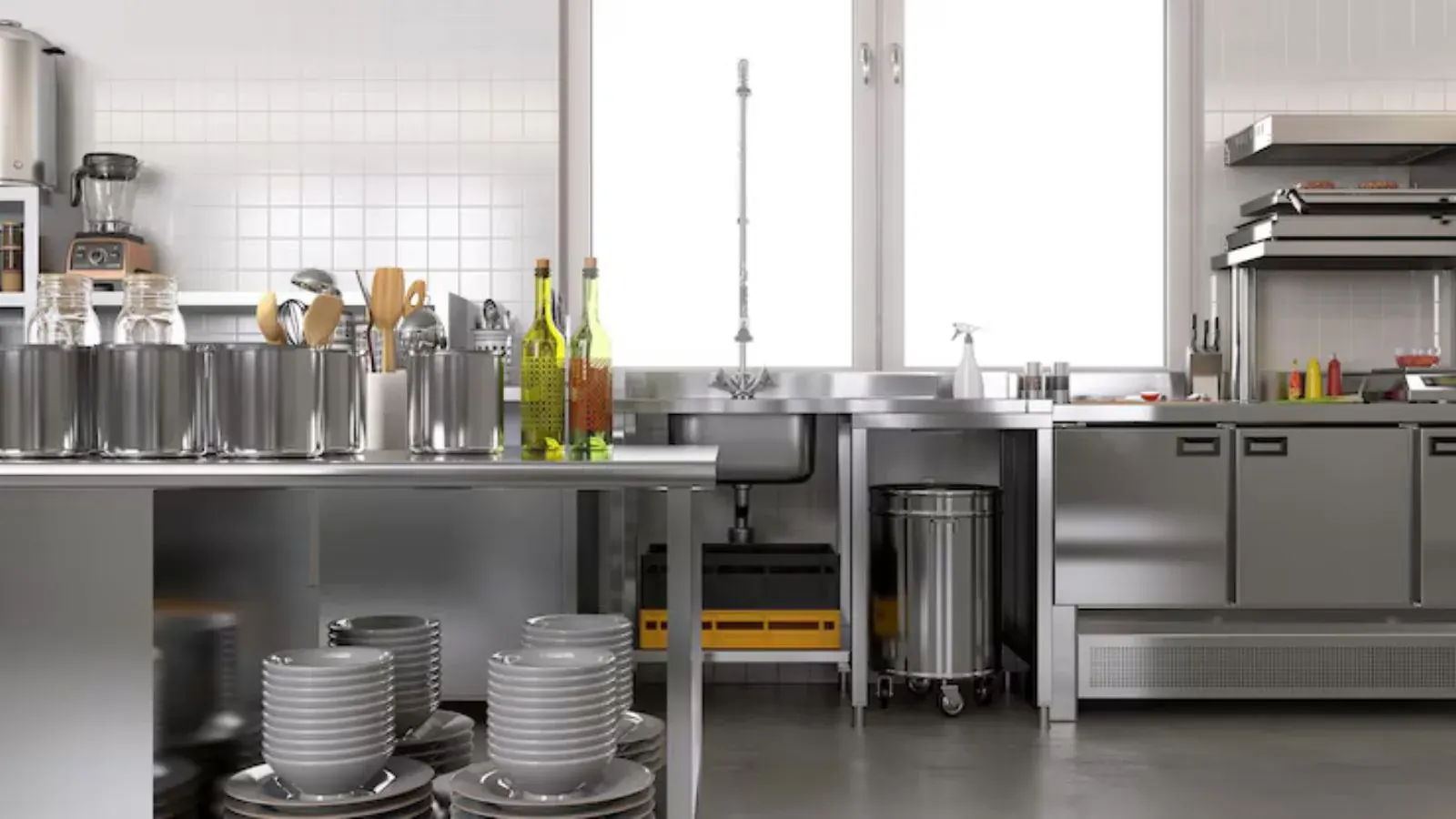
Tell dispatch what kind of building it is and where the water is coming from. A flooded restaurant kitchen, a split line above a drop ceiling and a sewage overflow in a restroom each need different tools and a different first move.
What to do before the plumber arrives:
- Close the main water shutoff if you know where it is. In many commercial buildings it sits near the meter or in a utility room.
- Do not use restrooms, sinks or floor drains if sewage is rising anywhere in the space.
- Stay clear of any wet area with live outlets, powered equipment or a lit fixture overhead.
- Photograph the damage and the source for your insurer, then tell the property manager if you rent.
- Move paper goods, food stock and electronics up onto shelves or tables.
What we repair in shops, restaurants and offices
Most commercial calls come down to a short list. Restroom fixtures that run, leak or will not flush. Supply lines that split behind a wall. Floor drains and main lines that back up. Water heaters that cannot keep up with a kitchen or a break room.
Each building type fails in its own way. Restaurants fight grease and heavy daily load. Offices have many fixtures used in bursts, such as every toilet flushing at lunch.
Where the work is a cleaning job, the drain cleaning page explains the tools. A recurring blockage in a main drain may call for hydro jetting, which scours the pipe wall rather than punching a hole through the clog.
Who pays: tenant or landlord?
Responsibility depends on your lease, and we cannot read it for you. This is the usual way the line gets drawn, so you can make the right phone call first. Always check your own lease and ask the property manager.
| Problem | Often handled by | What to do first |
|---|---|---|
| Leaking faucet or toilet inside your unit | Tenant, unless the lease says otherwise | Shut the fixture valve and call us |
| Burst pipe inside a wall shared with other units | Landlord or building owner | Shut the main, tell the property manager, then call |
| Main sewer line backing up several units | Landlord or building owner | Stop water use and notify management at once |
| Restaurant grease trap or interceptor | Usually the tenant who creates the grease | Check the lease and schedule service on a fixed cycle |
| Backflow preventer on the water service | Usually the owner, sometimes passed to the tenant | Ask management who holds the test records |
Grease traps and restaurant drains
A kitchen drain carries more than water. Fryer oil, dish soap, food scraps and starch cool in the pipe and set into a gray, waxy layer. A grease trap or interceptor slows the flow so that grease floats up and stays in the tank instead of reaching the sewer.
A trap only works when it is emptied on a regular cycle. When it is full, grease passes through, builds up in the line beyond it and finally closes the pipe, often on the busiest night of the week. A smell near the trap or a gurgling floor drain is the early sign.
Cleaning the trap is one job and cleaning the line behind it is another. If grease has already coated the pipe, the line needs to be opened and flushed. Whether your business needs a trap, and what the town expects of it, is a question for the Milford Sewer Department and the plumbing inspector, so ask before you buy or change equipment.
Backflow preventers and the water service
A backflow preventer is a valve assembly that stops used water from flowing backward into the clean supply. Businesses with irrigation, boilers, commercial kitchens, or a fire sprinkler line often have one.
A preventer that drips from its relief port, or one that has not been tested, should not be ignored. We can look at the assembly and explain what a repair or replacement involves. Test requirements are set by the water supplier, so confirm yours with Milford Water Company before the work begins.
Call the 24/7 line, say what type of space it is and where the water is. Dispatch will tell you what to shut off while a plumber is on the way.
Commercial plumbing in Milford, MA
Route 16 (East Main Street) is Milford's main commercial corridor, and downtown Main Street has older buildings such as the Gillon Block. An older downtown building may have mixed pipe materials and shutoff valves nobody has turned in years, so we test those valves early.
Commercial and residential sewer connections to the town system run into a wastewater treatment plant that discharges to the Charles River. If a backup affects more than one business on your block, call the Milford Sewer Department at (508) 473-2054 as well, because a blocked town main will push water back into your building however clean we leave your pipe.
The Massachusetts plumbing code (248 CMR) applies to commercial buildings as it does to houses, and the standard for permits and inspections is the same.
Working around your business hours
When the problem is not an emergency we offer same-day appointments when available and can plan routine work for the quietest part of your week. When it is an emergency, we are on the way at any hour.
Only a licensed master or journeyman plumber may alter or repair piping in Massachusetts, and the local plumbing inspector issues the permit. Ask to see the permit for any job beyond a minor repair. Our plumbers are licensed and insured.
What shapes the cost of commercial plumbing work
You get a clear price before work starts. Commercial jobs vary more than homes, and these are the usual drivers:
Business property or tenant policies may cover sudden water damage, but often not wear and tear on pipes or a long-running leak. Read your policy and ask your agent before the repair if you can.
For a real number on your space, call (508) 389-4045 and tell dispatch the building type and the symptom.
Commercial plumbing questions from Milford businesses
Yes. The 24/7 line is answered through nights, weekends and holidays. A burst line, a sewage backup or a failed water heater in a business is dispatched as an emergency, and the plumber works first to stop the water or restore the drain.
Yes. We clear kitchen drains and lines and can inspect a grease trap or interceptor. Whether a particular business needs one is a question for the Milford Sewer Department and the plumbing inspector, so confirm that before installing or removing equipment.
It depends on the lease. Fixtures inside your unit are often the tenant's job, while shared mains and wall pipes usually belong to the owner. Read the lease and ask your property manager, and we can document what we find.
It is a valve assembly that keeps used water from flowing back into the clean supply. Businesses with boilers, irrigation, or kitchens often have one. Ask Milford Water Company what testing it requires for your service.
Minor repairs such as fixing a leaking faucet or clearing a blocked drain do not. Work on supply, drain or vent piping does, and permits go only to licensed plumbers. Ask the Milford plumbing inspector through Town Hall about a specific job.
Look at the grease trap first, since a full trap sends grease into the line behind it. If the trap is clear, the line may be coated and need cleaning. We can open and flush it and tell you the likely cause.
If you are not sure whether a problem is yours or the landlord's, call (508) 389-4045 anyway. We will stop the water first and sort out responsibility afterward.
Related services nearby
A failing heater in a salon or break room is a water heater repair, and a flooded lower level may point to a failed pump covered on the sump pump repair page. For a service call just outside town, businesses in Bellingham use the same dispatch line.