
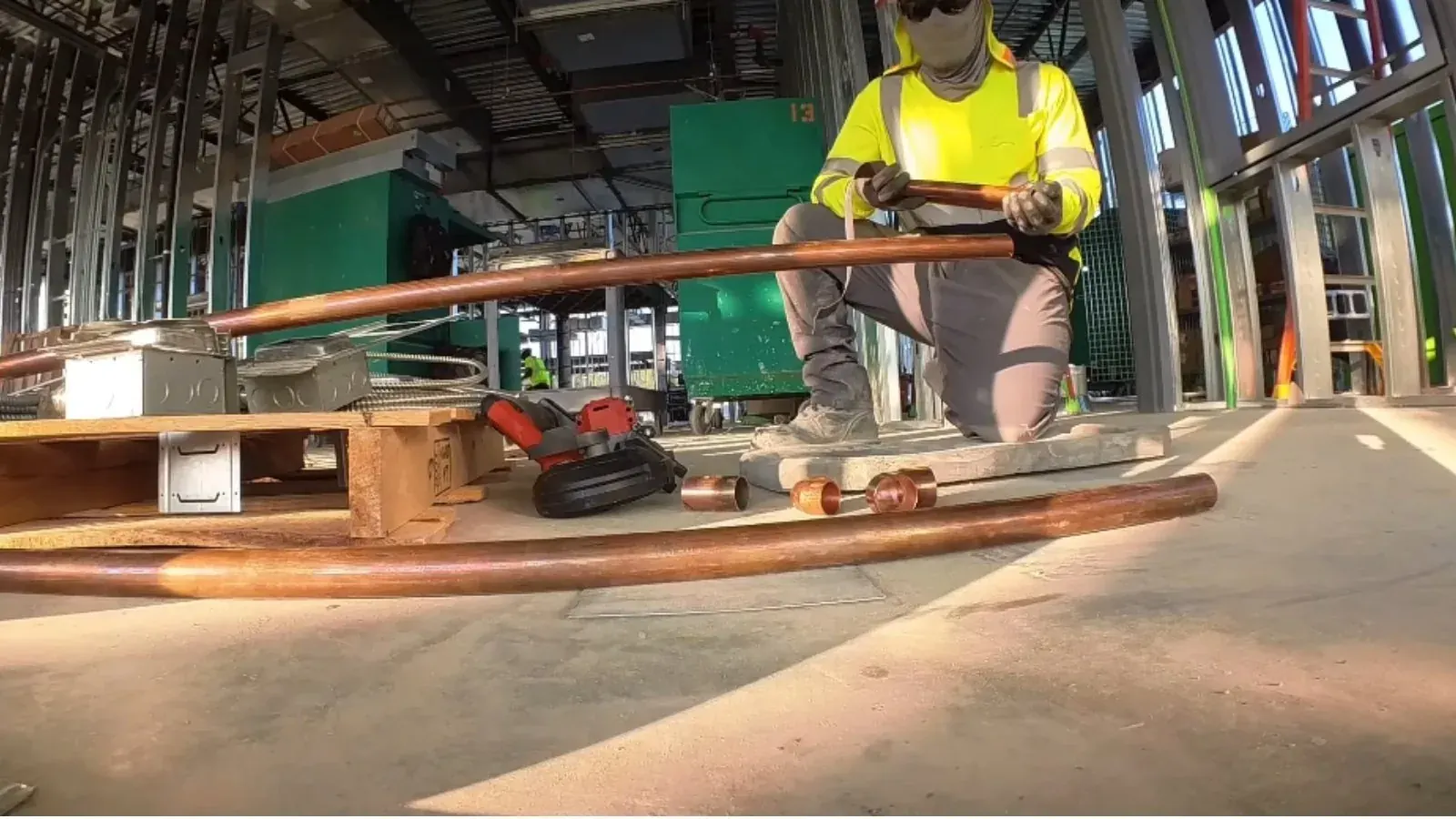
Decide what is changing before you pick a fixture
The first question is whether a job replaces something that is already there or adds something new. Swapping a toilet in the same spot reuses the existing drain and supply. Moving it three feet to the left means new drain pipe, a new vent path and a cut through the floor.
Fixtures that sit where the old ones did are the cheapest and fastest. Each foot you move a drain, a sink or a shower adds labor. A bathroom that keeps its layout can often be finished in a day or two, while a new layout adds days.
Questions to settle before the plumber arrives:
- Which fixtures stay in place, and which move or are new?
- Is there a basement or crawl space below to run pipe through?
- Where is the main water shutoff, and does it fully close?
- Are you picking the fixtures, or should the plumber supply them?
- Does the room share a wall with another bathroom or kitchen?
Which jobs need a permit and a licensed plumber
In Massachusetts the line between a minor repair and an installation matters. This table follows the state's consumer guidance.
| Job | Minor repair? | What it means for you |
|---|---|---|
| Fix a leaking faucet or a working fixture part | Yes | No permit. See faucet repair |
| Replace or relocate a faucet or valve | No | A licensed plumber pulls the permit |
| Add a new sink, toilet or tub | No | Permit and inspection of the work |
| Change water supply, drain or vent piping | No | Permit, rough inspection before walls close |
| Clear a blocked drain | Yes | No permit. See drain cleaning |
| Install or alter gas piping | No | Licensed plumber or gas fitter, with a permit |
From first call to final inspection
A typical install follows these stages. The details change with the job, but the order rarely does.
- Describe the job and visit. You explain what you want, the plumber looks at access, existing pipe and where water, drain and vent run.
- Written scope and price. You receive the plan in writing, including fixtures, materials and what is not included.
- Permit. The plumber files with the local inspector. The state says to ask to see the permit.
- Rough-in. Supply, drain and vent pipes are placed before walls and floors are closed.
- Inspection. The inspector checks the rough work. Walls stay open until it passes.
- Set fixtures and test. Fixtures are set, connected and tested for leaks and flow.
Rough-in: the part behind the wall
Rough-in is the plumbing you will never see once the drywall is up. Supply lines bring hot and cold water to each fixture. Drain lines carry waste away, pitched downhill. A vent line lets air in so the water drains instead of gurgling.
Each piece has its own rules for size and slope, and a mistake only shows after the walls are closed. A toilet needs a larger drain than a lavatory sink. A shower needs a trap and a pan that holds water. That is why the inspection happens before the walls close.
Supply pipe today is usually copper, PEX or CPVC. Drain pipe in new work is typically PVC or ABS, while older homes may still have cast iron. Our plumbers pick the material to suit the existing system and tell you why. If old pipe is the real problem, the repiping page covers what a full replacement involves.
New bathrooms and kitchens
A new bathroom needs three connections: hot and cold supply, a drain for each fixture, and a vent. A basement bathroom adds a problem because the drain may sit below the sewer line. That usually calls for a pump system, which should be planned before you commit to a floor plan.
A kitchen remodel has its own list. The sink, dishwasher and often a disposal share a drain. A refrigerator ice maker needs a small supply line, and a gas range needs gas piping. If the disposal is part of the plan, see garbage disposal repair for what the unit needs from the drain beneath it.
Call the office line, describe the room, and we will walk you through what the job needs.
Gas lines and pipe sections, explained plainly
Gas piping is a separate system from water. It carries fuel to a range, dryer, furnace or water heater, and a leak is a fire and explosion hazard rather than a water one. In Massachusetts a licensed master or journeyman plumber may do gas fitting, and a licensed gas fitter may do gas work but not plumbing. Either way, gas work needs a permit and an inspection.
A pipe section is a run between two fittings. When you hear "we need to replace a section," it means cutting out the damaged length and joining new pipe at each end, not redoing the whole line. Sections are common in older cast iron and galvanized steel. Gas sections are tested with pressure before they go into service.
If you ever smell gas, leave the house and call your gas utility or 911 from outside. Do not flip switches or look for the source. A plumber is the next call, after the utility says the area is safe.
Milford, MA: permits, 811 and the Town Hall portal
Building permits in Milford go through an online portal linked from the town's site, and the Milford plumbing inspector handles plumbing questions through Town Hall. Permits for plumbing work are issued only to licensed plumbers, so a contractor who asks you to pull it yourself is a red flag.
The town also posts a scam alert about fake permit-fee emails and texts, so verify any demand for payment with Town Hall before you pay. For any digging, such as a new water line or a gas line, dial 811 first so buried utilities are marked.
What shapes the price of an installation
The price is clear before the work begins. Larger jobs change on these points:
Installation is planned work and is not an insured loss. Insurance only enters if a failed installation causes water damage later, which is why licensed work and a signed-off permit matter.
To scope your job, call (508) 389-4045 and describe the rooms.
Plumbing installation questions from Milford homeowners
Yes. State law limits plumbing work to licensed master and journeyman plumbers, and only they can obtain the permit. The Board of State Examiners of Plumbers and Gas Fitters (617-727-9952) can confirm any plumber's status.
A like-for-like fixture swap can take a few hours. A new layout with rough-in, inspection and fixture set often spans several days, with waiting built in for the inspection. The plumber gives you a schedule in the written scope.
Yes. A licensed master or journeyman plumber may also do gas fitting. The work needs a permit and a pressure test. If you smell gas now, leave and call your gas utility or 911 first.
The scope of work, fixtures and materials, who pulls the permit, what is excluded, and the price. The state advises homeowners to ask for the scope and price in writing, confirm liability insurance and ask to see the permit.
Start with the plumbing inspector at Milford Town Hall. Building permits run through the town's online portal, and fee requests that arrive by unexpected email or text should be checked first.
Rough plumbing is inspected before it is covered, because mistakes in buried or walled-in pipe are costly to fix. The permit triggers the inspection, which is why the work stays open until it passes.
Ready to plan your install? Call (508) 389-4045 with a description of the room and what you want in it.
Connected jobs
Water heaters have their own planning steps, covered under water heater installation. Repairs on an older house sometimes come first, and a quick look under the sinks may surface toilet repair needs too. If you are building or buying in Holliston or a nearby town, the same planning applies.